“one tree” search results (10000)

Introduction to Coffee varieties-one: Rosa (English name: Geisha)
Rosa is a very rare wild species that originated in Ethiopia.
2014-08-21 Coffee knowledge Rosa coffee beans introduction of coffee varieties
What is robusta coffee? One of the most important varieties of coffee in the world
Robusta is one of the most important coffee tree varieties in the world. Robusta species (scientific name Coffee Robusta Linden). The leaf rust-resistant varieties found in Congo in Africa have stronger disease resistance than Arabica. In the general coffee market, many people like to compare robusta and Arabica coffee beans, which is incorrect. In fact, the Robusta progeny
2015-10-12 What Rob Booth Coffee the most important thing in the world one of the varieties Rowe.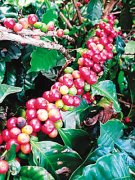
Classification of coffee trees
In recent years, coffee producing countries no longer blindly pursue high output while neglecting quality. Many countries have begun to introduce a new coffee evaluation system in order to arouse the enthusiasm of producers and promote the production of fine coffee. For example, Brazil began to implement the Cup of excellence coffee rating system in 1999 in order to better subdivide boutique coffee. And boutique coffee has become
2016-05-23 Coffee classification in recent years coffee producing countries no longer blindly pursuit high output
The Historical and Cultural Origin of the planting method of Coffee Tree
Coffee Tree-planting History there are many legends about the discovery of coffee. There is a legend that in the 13th century, there was a prince in Ethiopia who found that his camel loved to eat small oars on a bush, and he was so excited and energetic after eating it. So he also picked some small berries to taste, and finally discovered this refreshing coffee drink. Another legend is that
2016-06-03 Coffee planting way history and culture origin coffee history about people
A family in Budadiri village in Africa picks coffee beans
One thing I am very curious about is that coffee comes from Africa, but in many parts of Africa, especially in small towns and villages, few people drink coffee. This time I visited the hometown of Uganda, which is rich in coffee, and this question can basically be answered. In the village of Budadiri in Mombali, a small town near the Kenyan border in Uganda, there are many coffee farms, so-called farms, but
2014-08-12 Coffee bean picking and coffee bean production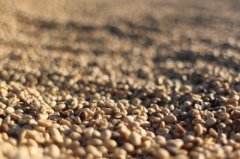
Cultivation techniques of small Coffee in Yunnan Province Pest Control of Coffee trees
1. Coffee tiger, longicorn beetle. The coffee tiger longicorn beetle harms the coffee trunk for more than 2 years. At first, it eats between the cambium and xylem, and then eats the xylem. It has a great effect on coffee, the light ones make the plants yellow, withered branches and fruit drop, and the serious ones die of the whole plant. At the initial stage of the damage, there was no obvious hole in the appearance, but only slightly raised in the epidermis of the injured area. Prevention and control methods: strengthening the management of ①
2015-02-16 Yunnan Province small grains coffee cultivation techniques insect pests control longicorn beetles larvae
Coffee knowledge Coffee growth cycle and picking
Coffee beans are the seeds of coffee trees. After three or four years of growth, the coffee tree matures and begins to bear fruit, with one fruit arranged in clusters or clusters along the branches. The outside of the seed is a layer of peel, which can be picked as soon as it turns red. Under the red skin (exocarp) there is a layer of pulp (mesocarp), which is a small thin layer, and then a layer of material endocarp like parchment. In
2014-09-16 Coffee knowledge coffee growth cycle coffee picking
The spread of coffee all over the world
The story of how coffee is grown and consumed all over the world is one of the greatest and romantic stories in history. The story begins in Ethiopia on the Cape of Africa, where coffee is most likely born in the Kafa region. There are all sorts of uncertain theories about the discovery of the method of roasting coffee beans. One of the stories is that an Ethiopian shepherd found him.
2014-06-12 Coffee culture spread all over the world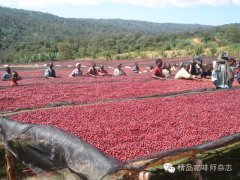
Coffee beans harvesting Coffee beans harvesting
Coffee beans are the seeds of coffee trees. After three to four years of growth, coffee trees mature and begin to bear fruit, one fruit after another arranged in clusters or clusters along the branches. The seed is covered with a peel that can be picked as soon as it turns red. Below the red skin (exocarp) is a layer of flesh (mesocarp), inside is a small thin layer, and further inside is a layer like parchment
2016-05-31 coffee beans picking harvest coffee tree knot aged raw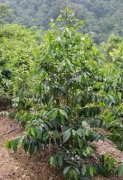
General knowledge of boutique coffee trees about coffee flowers and fruits
The coffee tree is an evergreen tree with small white flowers and green fruit that does not turn red until it is ripe. A normal coffee tree can usually grow to a height of 5 to 10 meters, but bean farmers often prune it to less than 2 meters for harvest convenience. After flowering, there are many dark green oval fruits, and the mature fruits change from dark green to bright red, due to the color and cherry.
2014-12-28 Boutique coffee common sense about knowledge one evergreen tree white
Which part of the world is the best place to grow coffee trees?
A survey by the Royal Botanical Gardens in London has found that climate change is having an impact on the coffee people depend on. Coffee trees will gradually die out with climate change, such as Arabica, the most popular coffee variety, which is likely to disappear by 2080. According to a survey by British scientists, it is only the wild coffee trees that are more likely to die out.
2016-06-08 Which region in the world is suitable for planting coffee London royal botanical gardens one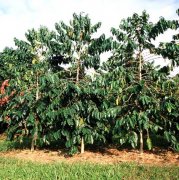
Coffee beans and coffee trees types of coffee trees
In general, coffee trees can grow to 4-5 meters high, and even 9-10 meters high. A single coffee tree but in places where coffee is artificially planted, people cut off the branches at the top of the coffee tree when it grows to three meters high, so that the coffee tree does not grow too high, so that it can be picked during harvest. According to the botanical classification, the coffee tree belongs to the domain: eukaryotic domain, Eukaryote realm:
2014-09-18 Coffee knowledge types of coffee trees coffee beans coffee trees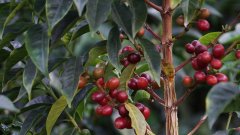
Types and characteristics of Coffee trees knowledge about Coffee trees
A single coffee tree but in places where coffee is artificially planted, people cut off the branches at the top of the coffee tree when it grows to three meters high, so that the coffee tree does not grow too high, so that it can be picked during harvest. According to the botanical classification, the coffee tree belongs to the domain: eukaryotic domain, Eukaryote kingdom: plant kingdom, Plantae phylum: angiosperm phylum, Magnoliophyta class.
2016-05-14 Coffee species characteristics about knowledge individual plant coffee is planted artificially
Coffee tree species are divided into three main categories: Arabica, Robersta and Liberica.
Villasarchi Velasacci is a hybrid of bourbon developed in the Costa Rican town of sarchi. The branches are at a 45-degree angle to the trunk and the leaves are bronze. Shade tree cultivation and minimal pesticide application make it an excellent organic coffee. Elegant acidity, delicate fruity flavors and nice sweetness. Caturra, Brazil, is a higher-yielding
2016-05-04 coffee tree species divided into major categories rabbi card species robersta billy boutique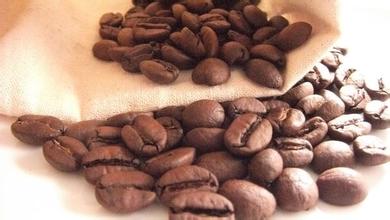
Coffee Tree Coffee planting method Coffee beans Fine Coffee
The coffee in that area tastes better and tastes better in the air. There are many ways to pick coffee, and there are many ways to grow delicious coffee in the air at different temperatures in Africa. The taste of coffee is intoxicating and it doesn't take long for small piles of fruit to appear. It was one of the characteristics of the green coffee tree in the first place.
2016-05-22 Coffee planting method beans boutique that region coffee comparison delicious
Introducing trees into coffee plantations can increase the yield of coffee beans.
Can you imagine a tree mixed with your coffee? This may not sound like a good idea, but a new study shows that mixed growth of trees and coffee shrubs can increase the number of birds and increase coffee production. One of the main risks for bean growers is the coffee bark beetle, an insect that drills into the coffee beans and lays eggs into them. Recently, in Jamaica
2014-06-10 Coffee cultivation coffee beans coffee production
Growth Environment and characteristics of Coffee trees
Coffee gives the public the impression that it is black, bitter and excited after drinking sleepless beverages. The coffee beans we see in the coffee shop are brown, roasted beans and amber.
2014-07-17 Coffee knowledge coffee tree growth coffee tree characteristics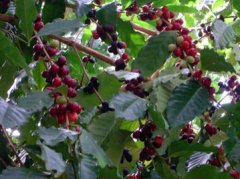
Basic knowledge of Coffee Coffee Tree Classification and growth picking period
Coffee tree belongs to the evergreen tree of Rubiaceae. Since ancient times, most of the plants of Rubiaceae are plants with special effects, such as quinine tree, which is regarded as a specific drug for malaria, and Dugan, which is used to treat amoeba dysentery. Coffee is defined as the most unique alkaloid drinking flora. The fruit of coffee consists of outer skin, pulp, endocarp, silver skin, and seeds (coffee beans) wrapped in the innermost layers mentioned above.
2015-03-11 Coffee basic knowledge classification growth picking coffee tree genus grass family evergreen Joe
Coffee basics Common sense Red coffee and green coffee story
A coffee tree, after countless ups and downs, finally in the top of the tree and dense leaves in the growth of a coffee bean. Two coffee beans grow up, because of their own environment for a long time, feel bored. So, I had the idea of walking somewhere else. One day, the coffee beans at the top of the tree lay on the canopy and looked down. Suddenly, they saw the shade below and looked down curiously.
2015-04-29 coffee basics common sense stories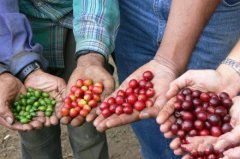
How much do you know about coffee?
Coffee (Xoffea arabica Linn) is a perennial evergreen shrub or small tree of Rubiaceae. It is a kind of horticultural perennial economic crop with the characteristics of fast growth, high yield, high value and wide market. Wild coffee trees can grow to 5 to 10 meters tall, but coffee trees grown on plantations are cut to less than 2 meters in order to increase fruit yield and facilitate harvesting. coffee
2015-04-28 boutique coffee knowledge you know how much